


If you’re considering Invisalign treatment to straighten your teeth, it’s completely normal to wonder whether it’s going to hurt during the process. For many people, the idea of shifting teeth into new positions sounds uncomfortable, and you might be imagining constant pain or soreness interfering with everyday life.
The reality is far more reassuring: Invisalign is designed to move teeth gently and gradually, and while some discomfort is normal, most patients are surprised by how manageable it feels. Read on to learn more about Invisalign pain and how to manage it.
Is Invisalign Painful? The Short Answer
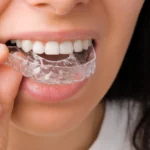
Invisalign isn’t really painful, but it can feel a bit uncomfortable at times, especially at the very beginning.
Most patients describe the sensation as pressure or tightness rather than a sharp or intense pain. This feeling is more noticeable when you first start treatment, or when switching to a new set of aligners, as it’s a sign that they are doing their job well.
For the majority, this discomfort is mild, temporary, and easy to live with, especially when compared to traditional metal braces. Many find that it settles within a few days and becomes a part of the background of daily life.
Why Invisalign Can Feel Uncomfortable At First
Invisalign works by applying gentle, controlled pressure on your teeth, encouraging them to move into a new position over time. When your teeth aren’t used to this pressure, it’s natural for them to feel tender at first. The initial discomfort comes from:
- Your teeth responding to movements
- Your mouth adjusting to wearing aligners
- Switching to a new aligner that advances the next stage of movement
Aligners are worn for 20-22 hours a day, which helps your teeth adjust efficiently and reduces prolonged soreness. Ironically, wearing your aligners less often can actually make the discomfort last longer, as your teeth don’t have a chance to settle into each new position.
The good news is that your mouth adapts quickly, and once your teeth begin to respond to treatments, most patients notice that each new set of aligners feels easier than the last.
How Long Does Invisalign Hurt For?
For most people, any discomfort from Invisalign is short-lived. When you first start treatment, it’s common to feel pressure or tenderness for the first few days as your teeth begin to move. A similar sensation can happen each time you switch to a new set of aligners, but this usually settles much faster (often within 24-72 hours).
As Invisalign treatment progresses, many patients notice that the sensation becomes milder and easier to ignore. This is because your teeth and supporting structures gradually adapt to the movement process, making each new aligner feel more familiar than the last.
Is the First Week of Invisalign the Hardest?
For many patients, yes, the first week is often the most noticeable adjustment period. This is when your teeth are moving for the first time and your mouth is getting used to wearing aligners for most of the day. You might notice pressure, tightness, or increased sensitivity in those first few days.
The good news is that this phase usually passes quickly. Once you’ve settled into the routine of wearing your aligners consistently, most people find that changing aligners down the light feels much easier and less disruptive.

When Invisalign Pain Isn’t Normal
While mild discomfort is expected, significant or ongoing pain isn’t, and you should contact your dentist if:
- Pain feel sharp, intense, or that it’s getting worse
- Discomfort last longer than a week after changing aligners
- One specific tooth feels extremely painful for several days
- Aligners are rubbing and causing sores or cuts that don’t heal
These symptoms don’t mean that Invisalign isn’t ‘working,’ but can indicate that an aligner needs adjusting or that something else needs checking. Early interventions help keep treatment comfortable and on track.
Does Invisalign Hurt More Than Braces?
For most, Invisalign is considered more comfortable than traditional braces. Fixed braces use brackets and wires that can rub against the inside of your mouth, sometimes causing sores, cuts, or irritation. Invisalign aligners are smooth and custom-fitted, which reduces the risk of discomfort.
Both treatments will involve some pressure as teeth move, however Invisalign’s gradual, controlled approach means the sensation is often gentler and easier to manage. Many patients choose Invisalign specifically because it fits more comfortably with their everyday life, while still delivering effective results.
Common Causes of Invisalign Discomfort
Most Invisalign discomfort comes from the fact that your teeth are actively moving, which is exactly what the treatment is designed to do. The most common causes include:
- Pressure from new aligners as teeth shift into their next position
- Tender teeth as the surrounding bone and ligaments adapt
- Mild gum or cheek irritation, especially at the beginning
- Jaw tension, particularly if you clench or grind your teeth
These sensations are usually temporary and tend to ease as your mouth adjusts. But importantly, they’re a sign that treatment is progressing as it should, not that something is wrong.
What Helps to Reduce Invisalign Pain
If you do experience discomfort, there are simple ways to make things easier for yourself:
- Wearing your aligners consistently to help teeth adapt more quickly
- Switching to new aligners at night, so you sleep through the initial pressure
- Stick to softer foods for the first day or two after changing aligners
- Using over-the-counter pain relief if needed (always follow guidance)
- Rinse with warm salt water to soothe any mild gum irritation
These small adjustments often make a big difference, especially during the early stages of treatment.
Chewies: The Secret Weapon for Discomfort
One simple tool that many patients find surprisingly helpful are Invisalign chewies. They are small, soft rubber cylinders that you gently bite down on for a few minutes each day to help your aligners sit evenly against your teeth.
Chewies can reduce rubbing, ease the tightness when stitching to a new aligner, and help teeth move more smoothly, shortening how long discomfort lasts. Spending just 5-10 minutes a day using chewies can make things noticeable more comfortable, especially during the early stages of treatment.
Your dentist will show you how and when to use chewies as part of your Invisalign routine, helping keep treatment on track and as comfortable as possible.
The Biggest Complaint About Invisalign
The most common complaint isn’t pain, but consistency. Invisalign only works well when aligners are worn for 20-22 hours a day, which requires commitment. Forgetting to put aligners back in after meals or leaving them out for long periods can lead to increased discomfort when you resume wearing them, and may slow overall progress.
That being said, once Invisalign becomes part of your routine, most patients find it far easier to manage than they expect, especially when compared to fixed metal braces.
Invisalign Comfort at Ruh Dental
At Ruh Dental, your comfort is built into every stage of Invisalign treatment. As a Diamond Apex Invisalign provider (making us the top 1% of providers in Europe), we use advanced digital planning to ensure aligners fit precisely and tooth movements are as smooth and predictable as possible. This reduces unnecessary pressure and helps minimise discomfort.
You will receive:
- A free consultation and digital scan
- A ClinCheck 3D simulation showing how your teeth will move
- Ongoing support and regular reviews to keep treatment comfortable and on track
We also offer a money-back guarantee if your teeth aren’t visibly straighter after 8 weeks (T&Cs apply), giving you added reassurance from day one.
If you’re worried about pain or discomfort we’re always happy to talk it through. Book a free Invisalign consultation with us today to see if treatment is right for you before you begin.