
Having gap teeth, also known as diastema, can be caused by genetics, tooth size differences, or missing teeth.
While some people love their unique smile, others might feel self-conscious and want a more uniform look.
If you want to close the gaps, there are effective treatments like Invisalign, composite bonding,
porcelain veneers or a combination of all three
1000+ reviews (4.8 of 5)

Now Available
Problems with gappy teeth
Feeling Self-Conscious
Gaps in your teeth can make you feel embarrassed about your smile.
Food Getting Stuck
Food can get stuck in the gaps, making it harder to keep your teeth clean and causing cavities or gum health problems.
Speech Problems
Big gaps can sometimes affect how you talk, causing a lisp or trouble saying certain sounds.
Bite Issues
Gaps can change how your top and bottom teeth fit together, which might lead to problems when biting.
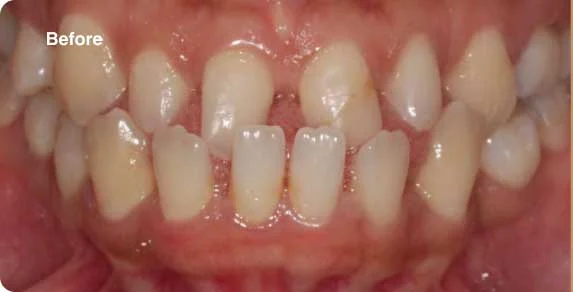
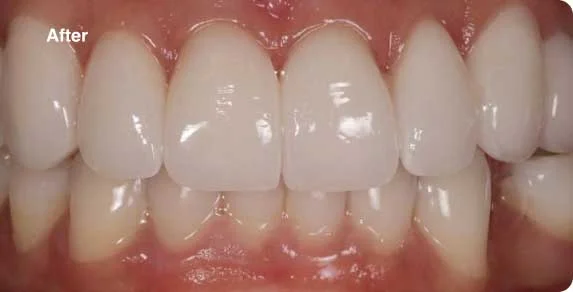
Options to treat gappy teeth
Invisalign Clear Braces
Custom-made clear plastic aligners that gradually move teeth into place. They are removable for eating and cleaning.
Porcelain Veneers
Thin porcelain or composite resin shells that cover the front of teeth to close gaps and improve appearance.
Composite
Tooth-colored resin applied to teeth to close gaps. It’s a quick and non-invasive option.
Dental Implants or Bridges
If you have missing teeth causing larger gaps, implants or bridges can replace them and close the gaps.
Jaw Surgery
In severe cases, jaw surgery can align the jaw and teeth.
Why do I have gappy teeth and what can be done?
There are several potential reasons why someone may develop crooked or misaligned teeth.
Gappy Teeth
Gappy teeth, also known as spacing or gaps between teeth, can be caused by a variety of factors including genetics, missing teeth, or jaw discrepancies. Composite bonding is a common solution where a tooth-colored resin is applied to the teeth to close the gaps. This procedure is minimally invasive and can provide immediate results for improving the appearance of gappy teeth.
Diastema
Diastema is the medical term for gaps between teeth, particularly noticeable between the upper front teeth. Invisalign is an effective treatment option for correcting diastema. It uses clear, removable aligners that gradually move teeth into the desired position. Invisalign aligners are nearly invisible, comfortable to wear, and allow for easy oral hygiene maintenance since they can be removed when eating or cleaning. This treatment is suitable for mild to moderate cases of diastema and provides a discreet and effective solution for achieving a straighter smile.
Concerns about gappy teeth and solutions
| Concern | Solution |
|---|---|
| Self-Consciousness:Feeling embarrassed or self-conscious about the gaps in your teeth. |
Consider treatments like composite bonding, Invisalign, or porcelain veneers to close the gaps and improve the appearance of your smile. |
| Difficulty Cleaning:Gaps can cause food to get stuck and make it harder to clean your teeth properly. | Practice good oral hygiene, including regular brushing and flossing. Your dentist may recommend special tools like interdental brushes to clean between teeth. Treatments mentioned above can also help to close the gaps between the teeth |
| Speech Issues:Large gaps can sometimes affect your speech, causing difficulty pronouncing certain sounds. | Depending on the severity of the gaps, treatments like Invisalign, composite bonding or porcelain veneers can help close the gaps |
| Bite Problems:Gaps can affect how your upper and lower teeth come together, potentially leading to bite issues and jaw discomfort. | Orthodontic treatments such as Invisalign can correct the alignment of your teeth and improve your bite. |
| Treatment Cost and Time:Concerns about the cost and duration of treatment | Some treatments, like composite bonding, are more affordable and require less time than others. There are also 0% finance options which can help spread the cost over a longer period of time |
| Maintenance:How to maintain the results of treatment. | Your dentist will provide you with instructions on how to care for your teeth and any dental appliances used in your treatment. |
Frequently asked questions
What causes gappy teeth?
Gappy teeth, or diastema, can be caused by a variety of factors including genetic predisposition, discrepancies in the size of the teeth and jawbone, habits such as thumb sucking, or issues like an oversized labial frenum (the tissue that connects the upper lip to the gums).
Can Invisalign correct gappy teeth?
Yes, Invisalign can effectively close gaps between teeth. These clear aligners gradually move the teeth into the desired position by applying gentle, controlled force, making them a popular choice for correcting diastema.
How long does it take for Invisalign to close gaps in teeth?
The duration varies based on the size of the gap and individual treatment plans, but on average, Invisalign treatment for gappy teeth can take anywhere from 6 months to 18 months.
What is composite bonding?
Composite bonding is a cosmetic dental procedure where a tooth-colored resin material is applied and sculpted to the teeth to close gaps, repair chips, or improve overall appearance. It’s a minimally invasive and quick procedure.
How long does composite bonding last?
Composite bonding can last anywhere from 5 to 10 years, depending on factors such as oral hygiene, the location of the bonded teeth, and lifestyle habits like smoking or consuming staining foods and beverages.
Are there any risks associated with composite bonding?
Composite bonding is generally safe, but it can have some risks including potential discoloration, chipping, or wear over time. Proper oral hygiene and regular dental check-ups can mitigate these risks.
Which is better for closing gaps: Invisalign or composite bonding?
The choice between Invisalign and composite bonding depends on individual needs and the specific dental issues. Invisalign is ideal for correcting alignment issues and closing gaps by moving the teeth. Composite bonding is a quick fix for smaller gaps and aesthetic improvements without changing tooth position.
Can children use Invisalign to correct gappy teeth?
Yes, Invisalign has options for children and teens, known as Invisalign First and Invisalign Teen, designed to address the unique needs of growing mouths, including closing gaps and aligning teeth.
How do I care for my teeth after composite bonding?
After composite bonding, maintain good oral hygiene by brushing twice a day, flossing daily, and visiting your dentist regularly. Avoid biting on hard objects and limit consumption of staining foods and beverages to prolong the life of the bonding material.
Is composite bonding reversible?
Yes, composite bonding is reversible. The procedure is minimally invasive, meaning the natural tooth structure is preserved. If needed, the bonding material can be removed and replaced or other treatments can be pursued.

Start Your Smile Journey Today
At Rüh Dental, we do things differently. We call it the Rüh difference.
We believe in better than the traditional dentistry of yesteryear that’s left a legacy of fear and therefore neglect because of historic experiences.


